About Bell to Sound
Marketing works better when the business problem comes before the technology.
Bell to Sound helps businesses, whether they have a marketing team or not, work out what needs to change in their websites, customer data and marketing processes, then move the work forward.
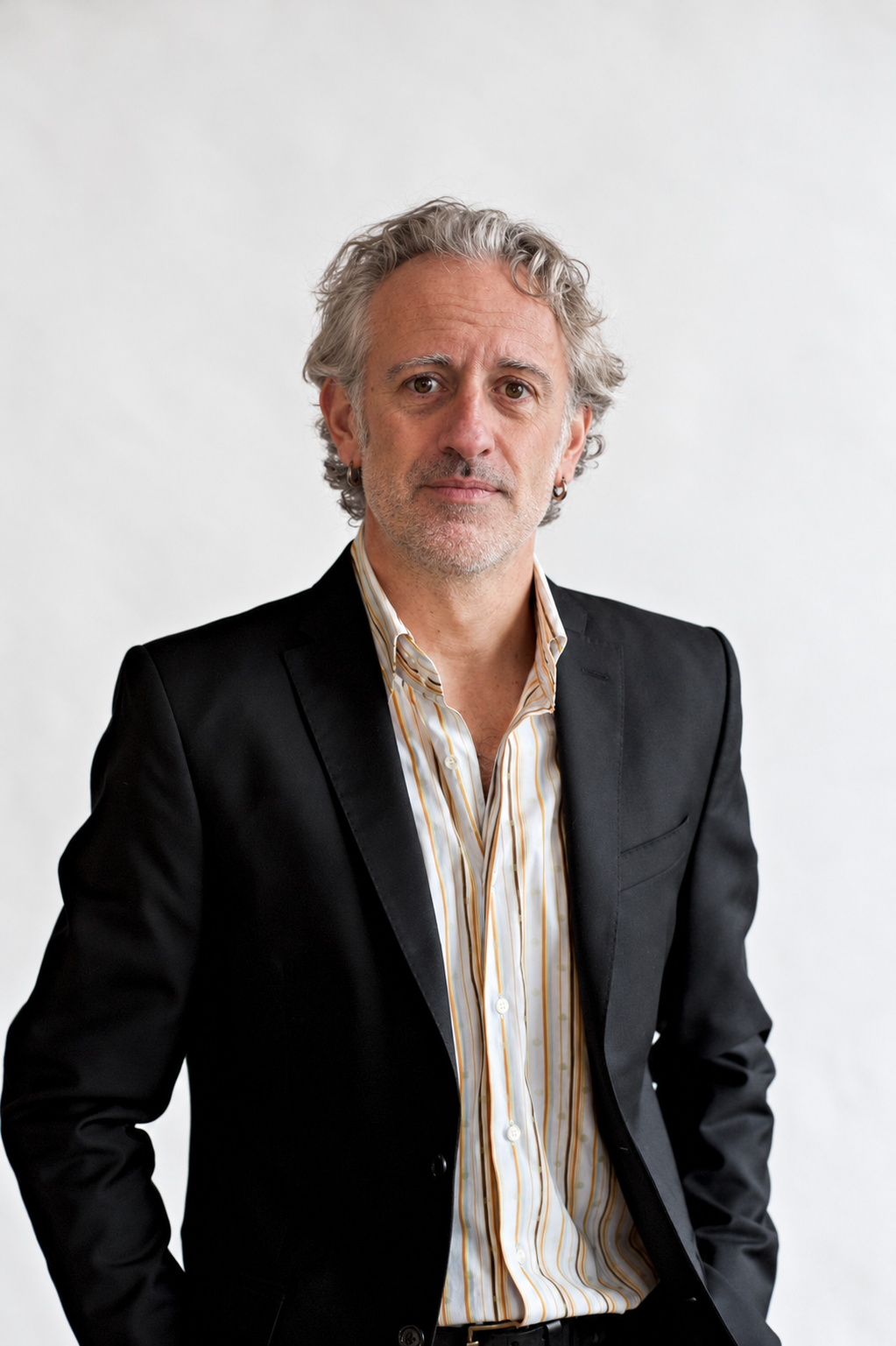
Phil Holden · founder, Bell to Sound
Why Bell to Sound exists
A career spent between the business problem and the technology answer.
Phil is a business technologist: someone who connects commercial priorities, how people work and the technology that supports them. He has spent his career between groups that need each other but don’t always speak the same language: business leaders and technical teams, marketing and sales, global strategy and local delivery.
In large organisations, scale-ups and his own business, he saw the same pattern. Capable technology went underused. Reporting drifted away from decisions. Temporary workarounds became permanent.
The problem may first show up in a CRM, a website or a campaign. The cause is often ownership, data, adoption or the way the work has been designed. So before recommending a fix, we look at the people and the work around it.
Who owns the next step?
Can the team trust the information?
Does the process make sense?
Would a different tool help, or simply move the problem?
How the approach developed
Three turning points, not a career history.
Three periods of work shaped how Bell to Sound approaches a problem.
01 · Learn by doing
Systems behave differently once people use them.
Phil began with a technical apprenticeship and hands-on work. It taught him how systems actually run, and how people adapt, or quietly stop adapting, when the technology around them changes.
02 · Translate across boundaries
Most delivery problems are translation problems.
Product, customer-facing and international roles meant connecting what’s technically possible, what the business needs and the people doing the work. That includes saying plainly when those three don’t yet agree.
03 · Make marketing systems useful
A platform decision is a commercial decision.
Running a business, then leading marketing-technology, CRM and website work, tied platform choices to commercial reality: limited resources, the cost of change, adoption, and whether anything measurable improved.
Diagram: three turning points – how systems behave once people use them, translating between the business and the technology, and weighing platform choices against commercial reality – run together into one joined-up way of approaching a problem.
This is the role of a business technologist: less about one platform and more about joining up the commercial, operational and technical decisions around it.
Experience in practice
Experience across marketing, technology and running a business.
Enough range to recognise the pattern quickly, and enough time close to the work to know what will hold up with a real team.
Enterprise → scale-up
From global organisations including Microsoft and Unisys to scaling technology businesses such as Unify Square and OneStock
Platform-independent
Experience across CRM, marketing automation, websites, data and analytics — not tied to one technology vendor
Built from the inside
First-hand experience owning platform and process decisions, delivery and adoption within the business
Now
Phil is currently working with Manchester Storm Hockey to reconcile fan data and prepare for a lightweight fan CRM. The implementation work is ongoing.
Background
20+ years across marketing, digital experience and technology, in enterprise, B2B scale-up and small-business settings.
What guides the work
What you can expect.
These apply whether the work is a health check, a defined improvement or ongoing fractional leadership.
01
Start with the business problem.
Agree what needs to improve, and the decision it supports, before choosing a tool.
02
Look at the actual work.
Talk to the people doing it and check the evidence, not only the documented process.
03
Use what you already have.
Check whether your existing tools, data and ways of working can meet the need before recommending something new.
04
Leave a usable next step.
Make the recommendations, responsibilities and handover clear enough for your team to act on after we step back.
How engagements are run
The same four stages, sized to the decision in front of you.
Some situations need a diagnosis. Others need a defined improvement, or someone to lead the work over time. We agree the scope and responsibilities before starting, then use the same four stages.
01 · Discover
Establish what is actually happening, using evidence from the people, the data and the systems as they’re set up.
02 · Align
Agree priorities and trade-offs, including what won’t be done and why.
03 · Design
Shape a change that will hold, deciding process, ownership, data and technology together.
04 · Enable
Put the agreed change into use: implemented by us, your team or a supplier, with ownership and next steps clear.
Throughout
Learning and evidence run through all four stages.
How we think about the work
“Start with the business problem. Understand how the work really happens. Then decide what needs to change, and use technology to make it clearer, lighter and more effective.”
Phil Holden · founder, Bell to Sound
Start with the situation
If marketing has become harder to run than it should be, let’s work out why.
Tell us what’s getting in the way and what you want to improve. We’ll help separate the symptoms from the causes and agree where to start.